Who we work with · 02 of 07
Marketing new construction homes you already own the names of.
Your inventory is syndicated the day it is released. NewHomeSource has it, Zillow has it, Realtor.com has it, and within a week each of them outranks you for the name of a community you built. The buyer searches a name that exists because of you, lands on somebody else's page, and submits a form you then pay to receive.
No other segment has this much branded search sitting unclaimed. Every community and every plan name is a query with your name effectively on it.
The program is usually Titanium at $575 a month. Several active communities with a plan list each is more than 40 keywords once area terms are included.
What your buyer searches, and when
Weeks, not months, and mostly by name.
Production buyers move faster than custom buyers and search more specifically. A listing or a drive-by triggers the process, and from there almost every query contains a name you own. That is what makes this segment the most winnable and the most commonly lost.
- Week 1 01
Something triggered it
A sign, a listing, a friend who bought nearby. The first search is usually the area plus new construction rather than any brand.
- new homes in your area
- new construction homes near me
- new builds under 500k
- Week 1 to 3 02
Which communities exist
Comparing communities across builders. Portals win this stage almost everywhere because they aggregate and you do not.
- new home communities in your county
- best new construction neighborhoods
- communities with a pool
- Week 2 to 5 03
This community specifically
Now they search your community by name. This is branded search you own outright, and on most builder sites it resolves to a page listing all nine communities.
- community name floor plans
- community name pricing
- community name availability
- Week 3 to 6 04
This plan specifically
Plan names are the cheapest wins on the map. Almost nobody publishes a page per plan, so the portal listing takes the query by default.
- plan name floor plan
- plan name square footage
- plan name elevations
- Week 5 to 8 05
Is this builder any good
Builder name plus reviews, warranty, and complaints. Reputation searches decide it, and this is the last page they read before walking in.
- builder name reviews
- builder warranty
- builder name complaints
Where the inquiry actually goes
The same search, on two different domains.
This is the same structural problem car dealers have with the listing sites, and it is winnable for the same reason: you own the entity being searched. Read the argument in full.
Residential construction marketing we actually run
Six pages that do the work.
One page per community
Not one page listing all of them. The community is the entity a buyer searches, so it gets its own URL, its own plans, its own pricing and its own availability.
One page per floor plan name
Square footage, configuration, elevations, and which communities it is offered in. These are the cheapest wins available to any builder and almost nobody builds them.
Quick move-in and inventory pages
Spec homes ready now are a distinct, high intent search. A page that updates as inventory turns captures buyers the community page does not.
Area pages for where you build
Metros, submarkets and school districts you genuinely build in, written accurately and without implying offices or credentials you do not hold.
Comparison and process content
Spec against presale, what is included against what is an upgrade, the design center process. Buyers search these and portals answer them generically.
Reputation surface
Builder name plus reviews, warranty terms and completed phases. The last page read before a buyer walks into a model home.
The arithmetic
Three closings pays for sixty years of the program.
Modeled scenario, not a client
A production builder closing 60 homes a year at a $450,000 average
Illustrative scenario using published prices and a conservative lift. Not a client result, not a forecast and not a guarantee. Run your own figures in the calculator.
$575/mo
4 domains · 100 keywords · 50 guest posts · 50 Web 2.0s · 20,000 amplification links · 16 to 18 days turnaround
One hundred keywords across four domains covers several active communities, a full plan list and the area terms around them. Platinum at $325 is honest if you run one or two communities.
Build this program →Content is priced separately through LavishContent, from $26 a month for four 500 word posts to $480 for thirty 2,500 word posts. Production builders publishing community and plan content usually start at sixteen 1,000 word posts a month at $144.
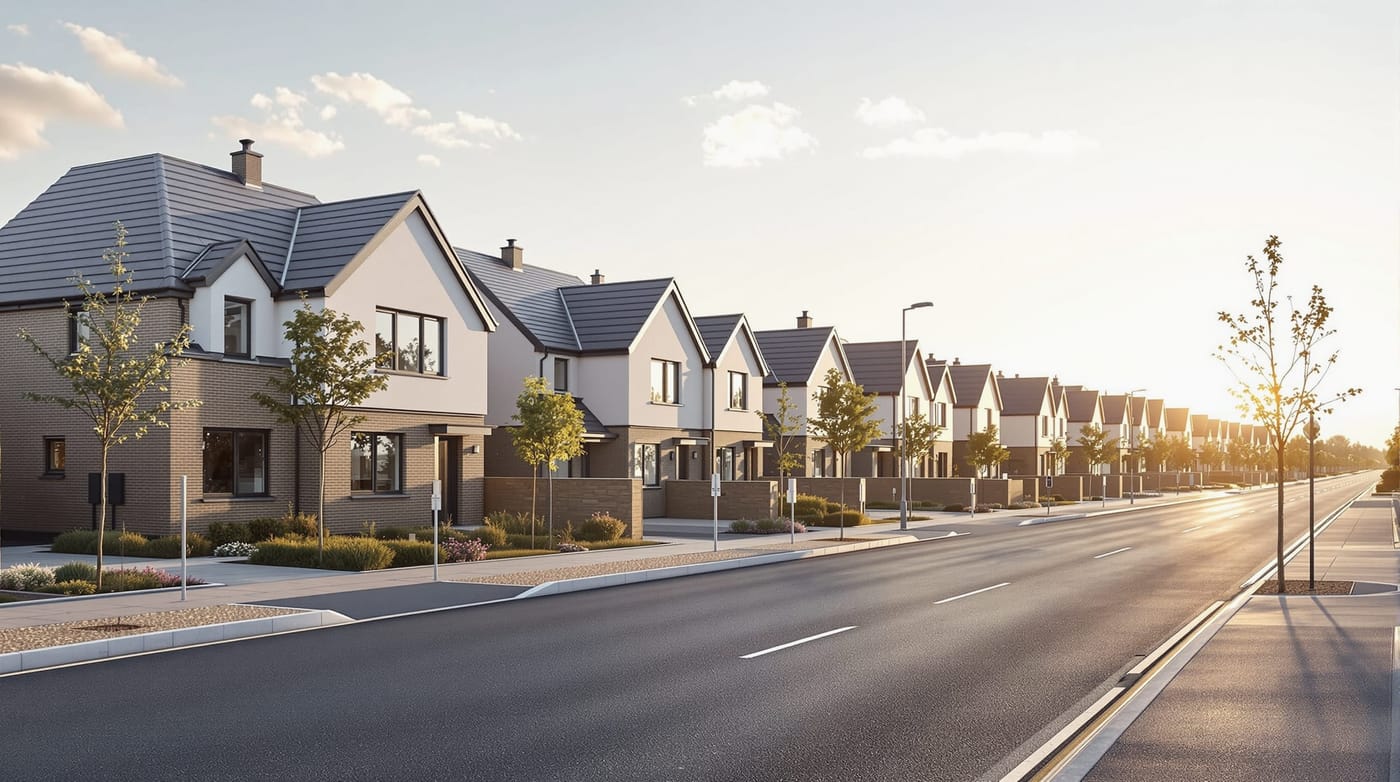
Every community you open is a branded search somebody else is answering.
Questions
From production builders.
Our inventory is syndicated automatically. Can we stop that?
You probably would not want to. Syndication produces real volume and cutting it off removes buyers rather than redirecting them. The goal is to rank above the portal for your own named assets so you capture the buyer first, while the syndicated listing keeps catching the ones who start on the portal.
We are on BDX or Builder Designs with limited template control.
That is the common case and it changes the sequence rather than the outcome. We identify which items the platform blocks before you spend anything, then work through content, internal linking, page structure and authority, all of which move regardless of who owns the CMS. Where a template change is genuinely required, we write the specification your vendor implements.
How many pages does this actually mean?
One per active community, one per plan name you offer, and one per genuine build area. A builder with four communities and nine plans is looking at roughly twenty pages, most of which can be built from information you already publish somewhere less useful.
What about communities that are nearly sold out?
They still earn their page, because the searches continue for years after the last closing and they feed the reputation surface. As availability closes out, the page shifts to serve resale interest and referrals rather than coming down.
Which tier does a production builder need?
Titanium in most cases, because 100 keywords across 4 domains is what several communities plus a plan list plus area terms actually requires. Platinum at $325 is the honest answer for one or two communities in a single metro, and we will say so rather than upsell.
How fast do plan name pages move?
Faster than almost anything else, because competition for a plan name is thin and you own the entity being searched. Community names take longer where a portal has held the position for years. Neither is guaranteed, and we will not promise a position or a date.
How is new home builder marketing different from marketing a resale?
A resale has an address, a listing and a single buyer moment. New construction marketing has none of that at the start: the community exists as a name months before the first slab is poured, and the plan names exist before anybody can walk one.
That gap is the opportunity. New home builder marketing that publishes the community and plan pages while the phase is still being named gets indexed first, which is the whole argument on this page.
Find out which of your communities a portal currently owns.
Five questions, no call required. We check every community name and plan name you give us against what currently ranks, then send back the list of which ones you already own.
Month to month · No contracts · Setup fee waived · Dedicated account manager · No ranking guarantees